.png)
"Does Teeth Whitening Cause Damage to Your Teeth? Separating Fact from Fiction"

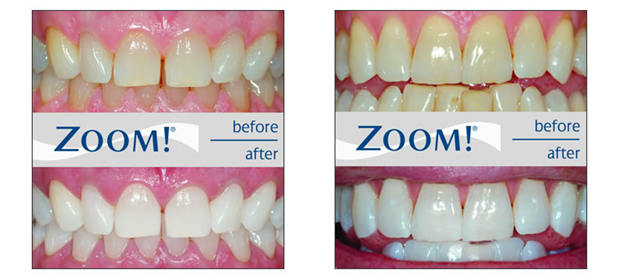
Introduction
A bright, white smile is often considered a sign of good oral health and aesthetics. With the increasing popularity of teeth whitening procedures, it's essential to address a common concern: Does teeth whitening cause damage to your teeth? In this article, we'll explore the effects of teeth whitening on dental health based on research and separate the myths from the facts.
Understanding Teeth Whitening
Teeth whitening, also known as dental bleaching,
is a cosmetic procedure designed to remove stains and discoloration from teeth. It is a non-invasive treatment that can be performed in a dental office or at home using over-the-counter products. The primary goal of teeth whitening is to enhance the appearance of your smile.
Common Methods of Teeth Whitening
In-Office Professional Teeth Whitening:
This method involves the application of a high-concentration whitening gel by a trained dental professional.
It is considered the most effective and quickest way to achieve significant results.
At-Home Teeth Whitening:
At-home whitening kits typically include lower-concentration whitening agents like hydrogen peroxide.
These are applied using custom-made trays or over-the-counter strips, gels, or toothpaste.
Research Findings on Teeth Whitening
Enamel Erosion:
Research indicates that while temporary sensitivity is common, the erosion of enamel is minimal and reversible.
Tooth Sensitivity:
Teeth whitening can cause temporary sensitivity to hot and cold temperatures. This is typically due to the penetration of the whitening agent into the tooth's dentin layer.
The sensitivity is generally mild and disappears within a few days to weeks.
Gum Irritation:
Over-the-counter whitening products or incorrect application can lead to gum irritation.
In professional dental settings, dentists take precautions to protect the gums and soft tissues from exposure to the whitening gel.
Long-Term Effects:
Long-term studies have shown that properly administered teeth whitening does not have adverse effects on oral health.
However, continuous or excessive
use of whitening products without professional guidance can lead to issues.
Recommendations for Safe Teeth Whitening
To ensure the safety and effectiveness of teeth whitening, it is essential to follow these recommendations:
Consult a Dental Professional:
Before starting any whitening treatment, consult your dentist. They can assess your oral health and recommend the most suitable method for you.
Professional Supervision:
In-office teeth whitening treatments performed by experienced professionals are generally safe and effective.
Follow Instructions:
If using at-home whitening kits, strictly adhere to the product's instructions and consult your dentist if you experience any issues.
Limit Usage:
Avoid excessive use of whitening product
s, as it may lead to enamel erosion and other complications.
Conclusion
In conclusion, teeth whitening is generally a safe and effective way to enhance the aesthetics of your smile. While it can cause temporary sensitivity and, in some cases, minor enamel erosion, these effects are generally reversible and do not result in long-term damage. When done under the guidance of a dental professional and with proper care, teeth whitening can be a valuable cosmetic dental option.
Remember that the key to safe teeth whitening lies in responsible use and professional supervision. Consult your dentist to determine the best whitening method for your specific needs and maintain a healthy oral care routine to enjoy the benefits of a brighter, more confident smile.
Brambert P, Qian F, Kwon SR. Erosion Potential of Tooth Whitening Regimens as Evaluated with Polarized Light Microscopy. The Journal of Contemporary Dental Practice. 2015 Nov;16(11):921-925. DOI: 10.5005/jp-journals-10024-1782. PMID: 26718302.
Rawan Alkahtani, Simon Stone, Matthew German, Paula Waterhouse,A review on dental whitening,Journal of Dentistry,Volume 100,2020,103423,ISSN 0300-5712,https://doi.org/10.1016/j.jdent.2020.103423.
Comments